What is Geometry Dash Slow?
Geometry Dash Slow is a great adventure game featuring multiple characters. Navigate portals, fly through narrow paths, jump over spikes, and reach the goal.
This game was published by Greenlight, which is also the creator of On On Dash. It takes a different route by making character transformation one of the main parts of the adventure.
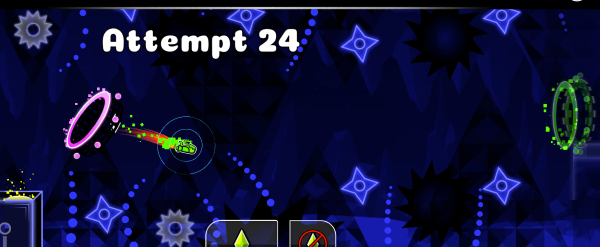
Figure 1: Screenshot of Geometry Dash Slow
Throughout the level, you move between a ship, mini robot, cube, spider, ball, UFO, wave, and mini wave. Each form changes how you navigate the environment, requiring you to adapt to flight, platform jumping, gravity inversion, or zigzag movement. The game also combines collectible coins with two game modes. Like Geometry Dash Meltdown, this game also offers two game modes. Normal Mode challenges you to complete the level without restarting from a checkpoint, while Practice Mode allows you to place gems and return to the nearest checkpoint after a crash.
Character Transformations: The Foundation of the Gameplay
Ship: Navigate the Opening and Fast-Flying Sections
The ship is the first character you control. At the beginning of the level, you must fly upward or downward to avoid rotating blue buzzsaws and reach the robot portal.
The ship returns later, after you complete the cube section and reach a ship portal followed by a speed portal. In this sequence, the ship flies at a fast speed.
The two ship sections provide different challenges. The opening focuses on learning the flight route around blue buzzsaws, while the later section asks you to manage faster movement and distinguish harmless visual distractions from real threats.
Many black buzzsaws appear during the fast ship sequence, but these particular obstacles are fake and will not hurt you. Recognizing this detail helps you understand how the level uses visual elements to distinguish different parts of the adventure.
Mini Robot and Cube: Ground-Based Navigation
After the opening ship sequence, you transform into a mini robot. You must run and jump across platforms while avoiding buzzsaws.
The smaller form is part of the level's changing character scale. Instead of continuing to fly, you need to pay attention to the platforms and the placement of hazards around your landing areas.
A cube portal then takes you into a dark area. As a cube, your objective is to navigate the environment and reach the spider portal.
The cube appears again after the first wave sequence. Here, you must jump over single spikes before reaching the portals that lead into the fast ship section.
Spider and Ball: Learn to Reverse Gravity
The spider and ball sections emphasize gravity inversion. As a spider, you repeatedly invert gravity to avoid single spikes and travel through waterfalls.
The ball section continues this mechanic, but introduces giant buzzsaws and a collectible coin. You must adjust your movement while keeping track of the hazards around the route.
Orange jump rings provide another way to reach distant platforms. Their placement adds an extra consideration to the ball section because you must recognize when to use them to continue across the level.
Together, the spider and ball transformations create a portion of the adventure where your success depends on understanding gravity changes rather than relying only on jumps or flight.
UFO and Wave: Short Flight and Directional Precision
The UFO section is brief. After passing through the UFO portal, you need to fly for approximately three seconds to reach the wave portal.
The wave section then asks you to follow a blue zigzag path and collect a coin. Its directional movement creates a different challenge from the ship's vertical flight.
Later, the wave returns in a wide space before a size portal transforms you into a mini wave. This final section contains real black buzzsaws and the third coin, making it an important part of the complete run.
How to control
- Click the left mouse button to jump or ascend while flying.
- Press the Z key to set a checkpoint and save your current progress.
- Press the X key to remove a checkpoint you have previously placed.
Unique Visuals of Geometry Dash Slow
Minimalist Environments
The theme of this running game uses black, blue, and red as its main colors
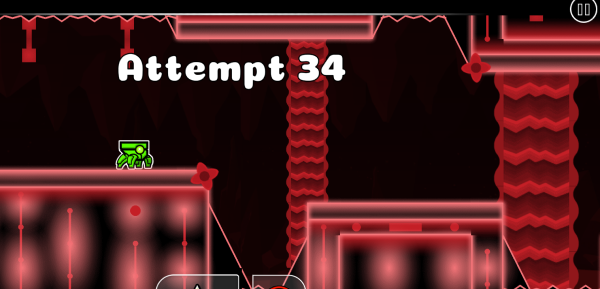
Figure 2: Red theme of Geometry Dash Slow
The scenery contains relatively few decorative elements, with blocks, platforms, and obstacles defining most of the environment. This approach supports a straightforward visual experience. Rather than asking you to explore a richly decorated setting, the game places the emphasis on understanding the route and responding to hazards. The rotating buzzsaws, single spikes, portals, and jump rings form recognizable parts of the level. Because these elements are central to navigation, identifying them and understanding their role is an important part of learning the game.
Dark Areas Change the Atmosphere
The dark area encountered after the early cube transformation introduces a visual shift in the adventure. You must navigate this section and find the spider portal before moving into the gravity-inversion sequence. The darker environment reinforces the game's overall aesthetic without requiring a large number of decorative objects. The transition also marks a change in the route, giving you another opportunity to recognize where you are within the level. The combination of dark surroundings and brightly colored elements helps define the game's visual character.
Who Might Enjoy Geometry Dash Slow?
This platform game may appeal to you if you enjoy platforming challenges built around timing, route recognition, and repeated practice. If you like learning how different movement styles work, the sequence of ship, robot, spider, ball, UFO, and wave sections provides a varied experience. If you prefer a more forgiving way to learn, Practice Mode offers checkpoints. If you enjoy the challenge of completing a full level in one attempt, Normal Mode provides that objective. The game may also interest you if you appreciate minimal visual design and straightforward environments. Its black, blue, and red palette keeps the presentation focused on platforms, blocks, portals, and hazards. You do not need to approach the level with every mechanic mastered. Start by understanding the opening transformations, then use what you learn to prepare for the more demanding sections later in the adventure.